1944 · THE RAID ON PILI AND THE LIBERATION
Series “Pili in the Second World War” · Part 3 / 4
The next evening the Germans bombed the Pili quay, exactly where the mission had slept. A few days later the sky above the village filled with smoke. Germans and their Greek collaborators had landed at six points along the coast, Pili among them.
That spring and summer of 1944 Evia lived through days of terror. On 24 May, at Kakolyri, today’s Taxiarches, the Germans executed thirty villagers and burned the village in reprisal for the death of one German soldier. The raids on the villages of the north belonged to the same harsh war against the partisans and those who helped them.
The people of the village hurried towards the mountains, carrying whatever they could: children, goats, a few belongings. Stix’s team managed to cross the valley just before the first machine guns were heard in the village, and climbed straight up Pyxaria. Stix later wrote that he would have sworn our mountain was higher than Everest. They spent the night in a small cave, eleven people with three tins of food, two herrings and half a loaf of bread. The hardest thing was water, until they found a spring on the slope.
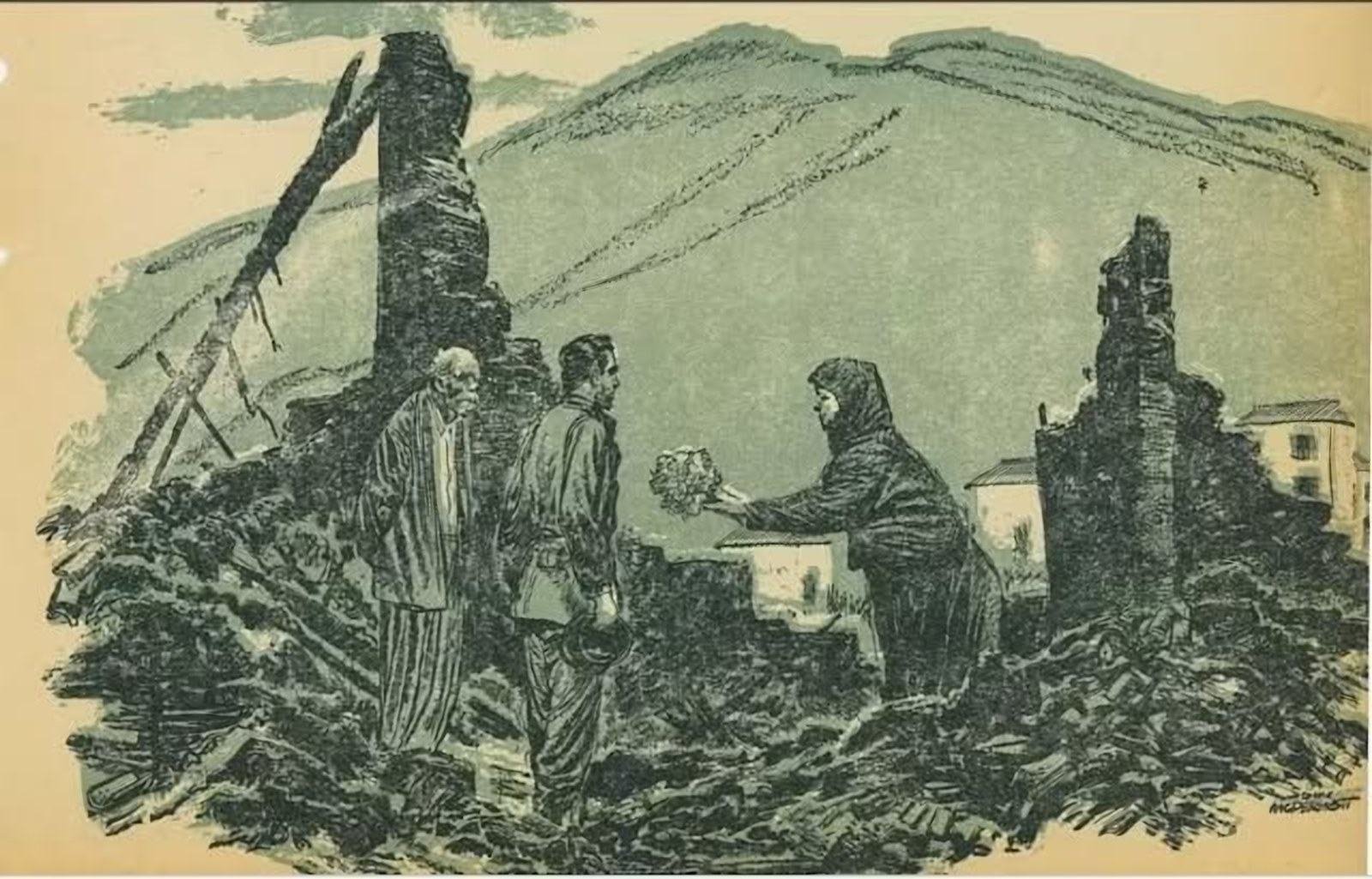
The Germans stayed in Pili for only one day, but they left behind burned houses and plundered homes. When Stix came down to the village, the square was still smoking. Six houses had burned to the ground and two men had been executed. And yet a woman who had lost her home shrugged and said: “It doesn’t matter so much now. It’s warm and we can live outdoors.” This endurance of the village people stayed in his memory more than the ruins.
In August the second American of the mission, John Kalvocoressi, a Greek-American Harvard graduate, landed by caique on the coast near Pili. Together they set up a lookout for the ships passing through the Pagasetic Gulf.
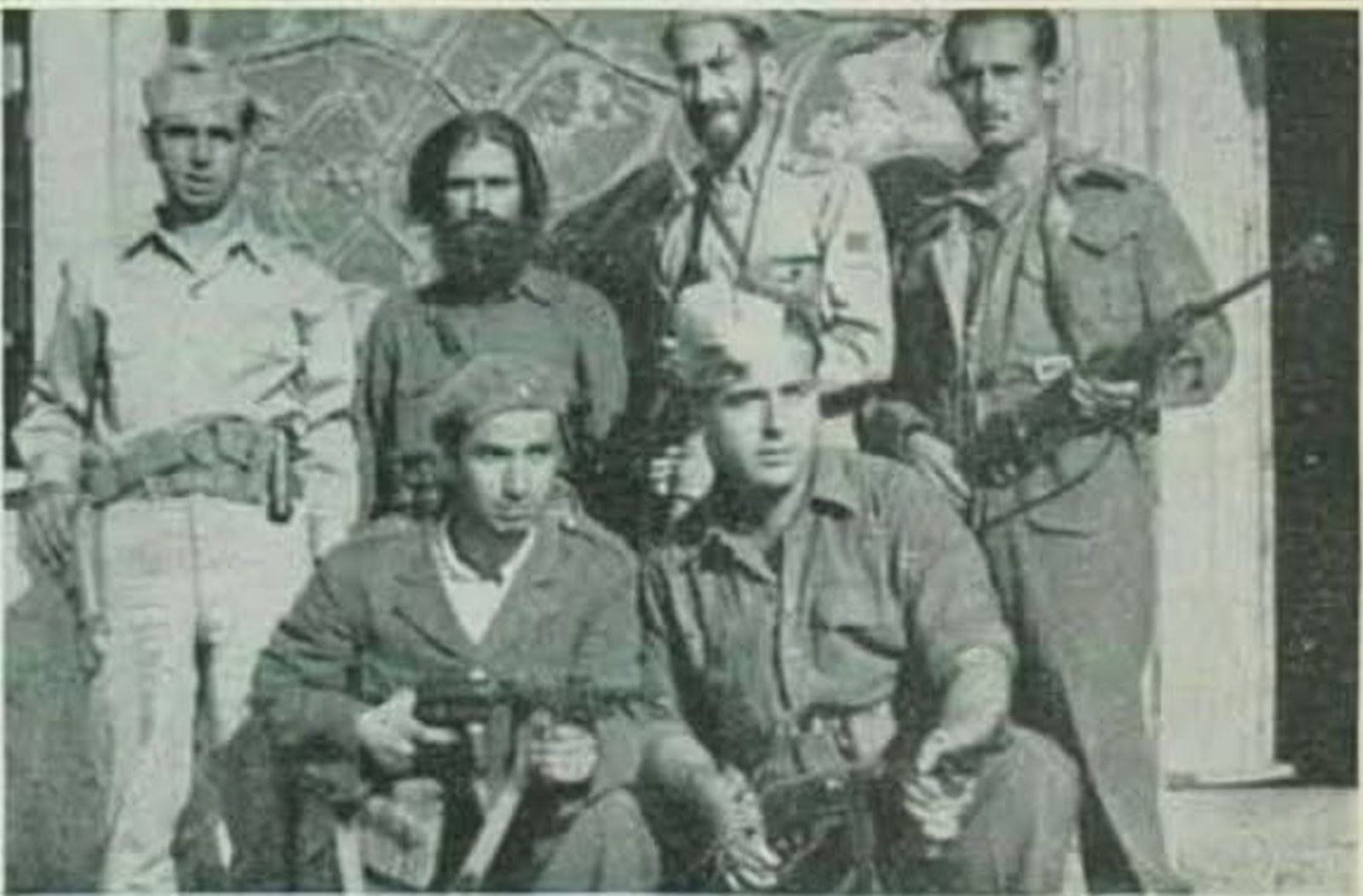
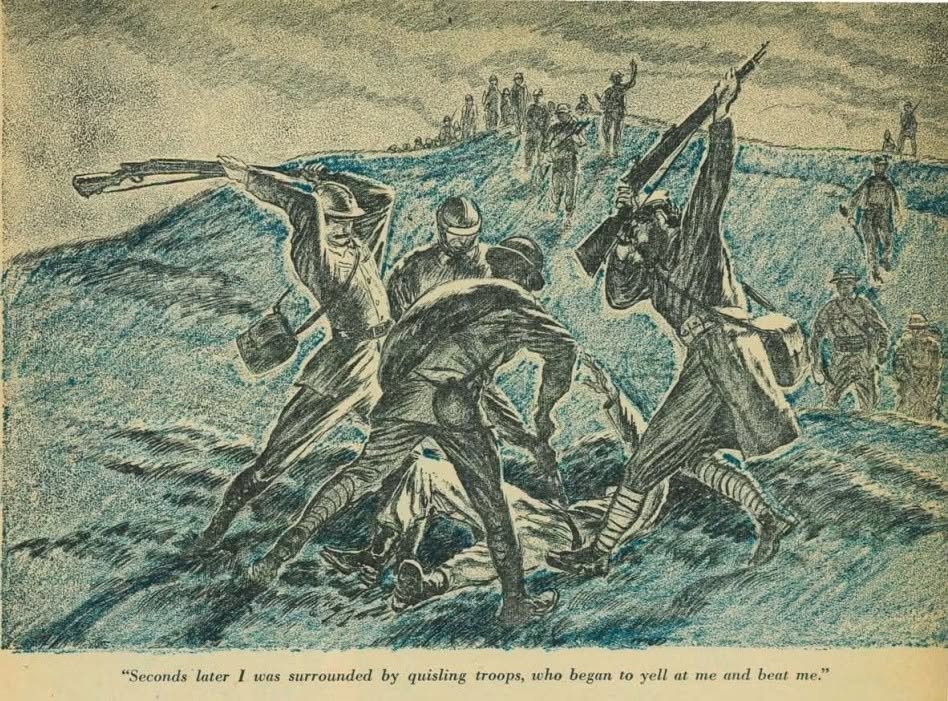
In October 1944 the Germans were withdrawing. Stix crossed by caique to the mainland and was among the first to reach Athens, in the days the city was liberated (12 October 1944), in a car covered in flowers, through crowds weeping with joy. Kalvocoressi stayed behind in Evia until the end. Shortly before Chalkida was liberated he was captured and badly beaten; he finally returned to America, where he was awarded the Purple Heart.
For Pili, that summer of 1944 is remembered as the summer of fire, but also of the endurance of its people.