A LIFELONG FRIENDSHIP: CHILTON AND THE MOURTZAKIS FAMILY
Series “Pili in the Second World War” · Part 4 / 4
Colonel Chilton went home to Australia, but a part of him stayed in Pili. When the war ended he learned what his friends had been through: in the hard years of the Occupation and the Civil War that followed, Giannis Mourtzakis had lost his wife and one of his sons, and his house had been burned. He asked Chilton for just one thing: to help his son Christos go to Australia.
Chilton did not think twice. When Christos arrived in Melbourne, a job on the city’s trams was already waiting for him. Soon his wife and children came from Pili, and Chilton became the most regular and most beloved visitor to their home.
Read how emigration changed the village’s population
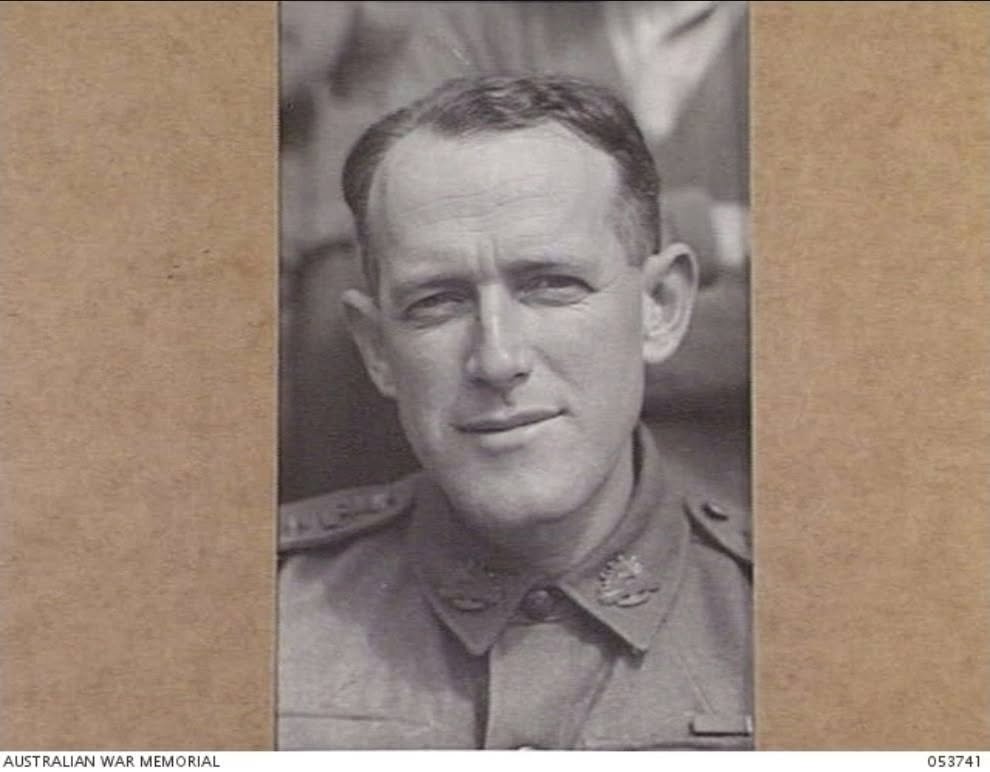
The youngest son, Nikos Mourtzakis, remembered Christmases with the books Chilton brought as presents, and Saturdays when he took them out to the beach or the gardens. Above all, he remembered his respect for his parents. At a time when migrants were not always welcome, Chilton treated them as friends and equals. When he and Nikos’s father talked about the people of the village, they always spoke quietly, with respect for what they had lived through. They shook hands, looked each other in the eye, and between them there was a silent understanding, a shared experience.
Chilton also kept in touch with Mrs Moraitis, by then a widow living in Athens. In the 1970s he came back to Pili with his sister Kathleen, to see the little village that had saved his life. As he wrote himself, he kept “the fondest memories” of Pili.
Fred Chilton later became a brigadier, and from 1958 to 1970 he headed the Australian government department that looked after war veterans and their families. He died in 2007, at the age of 102.
And so, from a night of hiding in the caves above the village, a bond was born between Pili and Melbourne that lasted a whole lifetime.